Discover the Perfect Backpacking Pack for Your Needs
Created on 03.16
Stepping onto a fresh trail with the sun on our faces is amazing. The right gear makes every mile lighter and more fun. Choosing from the many best backpacking packs can be hard.
Our gear should feel like a part of us. A bad fit can make our shoulders and back hurt early on. That's why we're here to help you find the right backpacking pack.
backpacking packs
We'll cover all the important details to find the perfect match. We want you to feel confident for your next adventure. Let's explore these backpacking packs together.
Everyone needs something different based on their trip and body type. We look for comfort, durability, and light weight. This ensures we invest wisely for future trips. Join us as we discuss what makes a successful expedition.
Key Takeaways
- Proper fit is essential for maintaining trail comfort and posture.
- Capacity requirements change based on the duration of our trips.
- Weight distribution directly impacts our overall energy levels.
- Durable materials provide long-term value for frequent hikers.
- Adjustable suspension systems offer a custom feel for different frames.
- Quality gear significantly improves the total outdoor experience.
Understanding Backpack Capacity and Trip Length
Backpacking trips can last from a weekend to many days. It's key to pick a backpack that fits your trip length. The size of your backpack affects how much you can carry and how comfortable you'll be.
Weekend Trips: 30-50 Liter Packs
For weekend trips, a 30-50 liter backpack is perfect. These packs hold the basics without being too heavy. Pack smart by choosing items that do more than one job.
For more tips on choosing the right backpack size, check out our backpack size guide.
Multi-Day Adventures: 50-70 Liter Packs
For longer trips, you'll need more gear. A 50-70 liter backpack is ideal. These packs can hold extra clothes, food, and more.
When picking a pack for longer trips, look for top-rated backpacking packs. They balance size and comfort well.
Extended Expeditions: 70+ Liter Packs
For long expeditions or thru-hikes, you'll need a big backpack. Packs over 70 liters can carry everything you need, like sleeping bags and tents. Make sure the pack is comfy and has good weight distribution.
In summary, knowing how trip length and backpack size relate is crucial. The right pack size ensures you have what you need without being too heavy.
Essential Features in Top-Rated Backpacking Packs
Top-rated backpacking packs have key features for comfort and function. Knowing what makes a backpack great is crucial.
Adjustable Suspension Systems
An adjustable suspension system is key for a good fit. It lets you customize the pack to fit your body.
Torso Length Adjustability
A pack that adjusts to torso length is vital. It spreads the weight correctly, easing back and shoulder strain. This is important for people of all shapes and sizes.
Frame Types: Internal vs. External
Packs come with internal or external frames. Internal frames fit closer, while external frames offer more support. Your choice depends on your preference and the terrain.
Load Distribution Technology
Good load distribution is key for comfort. It ensures the pack's weight is spread evenly.
Hip Belt Design and Padding
A good hip belt shifts pack weight to your hips. This lessens shoulder and back strain. Look for padded, adjustable hip belts.
Shoulder Harness Construction
The shoulder harness should be comfortable and supportive. Padded straps and load lifters can make a big difference.
Compartment Organization and Accessibility
Organized packs make backpacking better. Multiple compartments and pockets keep gear tidy and within reach.
Top Loading vs. Panel Loading
Top-loading packs are simple and easy. Panel-loading packs offer more flexibility and access.
External Pockets and Attachment Points
External pockets and attachment points add storage and flexibility. They let you carry extra gear and accessories.
Hydration Compatibility
Staying hydrated is crucial for many backpackers. Packs designed for hydration make it easier to carry and drink water.
When picking a backpacking pack, consider these key features. Top-rated packs combine these features to meet different needs.
Types of Backpacking Packs for Different Adventures
Choosing the right backpacking pack is key. There are many types for various adventures. You might need a light pack for speed, a sturdy one for rough trails, or a waterproof pack for wet weather.
Lightweight Backpacking Packs for Minimalists
For those who love quick hikes, lightweight backpacking packs are perfect. They're light but still offer comfort and essential features.
Ultralight Materials and Construction
These packs use materials like silnylon or cuben fiber. They're strong but light. The design focuses on removing extra features to cut down on weight.
Frameless vs. Minimal Frame Options
Light packs often have no frame or a very light one. Frameless ones use the material for support. Minimal frames add a bit more support without adding too much weight.
Durable Backpacking Packs for Rugged Terrain
For tough trails, durable backpacking packs are a must. They're made to withstand harsh conditions and rough handling.
Reinforced High-Wear Areas
These packs have reinforced high-wear areas like the bottom and corners. This helps prevent damage and extends the pack's life.
Heavy-Duty Fabrics and Stitching
They use heavy-duty fabrics and strong stitching. This makes them last longer on tough trails.
Feature | Lightweight Packs | Durable Packs |
Materials | Silnylon, Cuben Fiber | Ripstop Nylon, Heavy-Duty Polyester |
Frame Design | Frameless or Minimal Frame | Internal Frame |
Weight | Under 2 lbs | 2-4 lbs |
Waterproof Backpacking Packs for Wet Conditions
For wet weather, waterproof backpacking packs are great. They keep your gear dry in bad weather.
Sealed Seams and Waterproof Zippers
These packs have sealed seams to keep water out. They also have waterproof zippers or covered ones to keep things dry.
Roll-Top Closures and Rain Covers
Roll-top closures seal out water. Rain covers add extra protection against rain or snow. Your gear stays dry.
Knowing the different backpacking packs helps you pick the right one. Whether you want something light, durable, or waterproof, there's a pack for you. It will make your backpacking trips better.
Finding the Perfect Fit and Comfort
Finding the right backpacking pack is key to a great adventure. It's important to make sure your pack fits well and feels comfortable. This guide will help you find the perfect fit for your backpacking needs.
Measuring Your Torso Length Correctly
Measuring your torso length is crucial for picking the right pack. You need to measure from the C7 vertebra to the top of your hip bones. Knowing your torso length helps you find the right pack size, even with adjustable systems.
Hip Belt Sizing and Positioning
The hip belt is key for carrying your pack's weight. It needs to fit right for comfort and efficiency.
Proper Hip Belt Placement
Your hip belt should sit on your hips, not your waist. It should feel comfortable and not too tight or loose. Adjust it to fit snugly for even weight distribution.
Padding Thickness and Width Considerations
The padding and width of your hip belt matter for comfort. Thicker padding can be more comfortable but adds weight. Choose a width that fits your body for even weight distribution.
Shoulder Strap Adjustments
Adjust your shoulder straps for comfort and even weight distribution. They should not be too tight to avoid discomfort and restricted movement.
Load Lifters and Stabilizer Straps
Load lifters and stabilizer straps are important for fine-tuning your pack's fit. They help adjust the load's position on your body.
Load Lifter Angle Optimization
Adjust load lifters to pull the load towards your body for less shoulder strain. The best angle depends on the pack design and your preference.
Sternum Strap Placement
The sternum strap stabilizes your shoulder straps and prevents them from slipping. Adjust it to a comfortable height that doesn't restrict your chest or cause discomfort.
Let's look at how different fitting elements compare:
Fitting Element | Importance | Adjustment Tips |
Torso Length | High | Measure from C7 vertebra to top of hip bones |
Hip Belt | High | Sit on hips, not waist; adjust for snug fit |
Shoulder Straps | Medium | Adjust for comfort; not too tight |
Load Lifters | Medium | Adjust angle to pull load towards body |
Sternum Strap | Low-Medium | Adjust for comfort; prevent strap slippage |
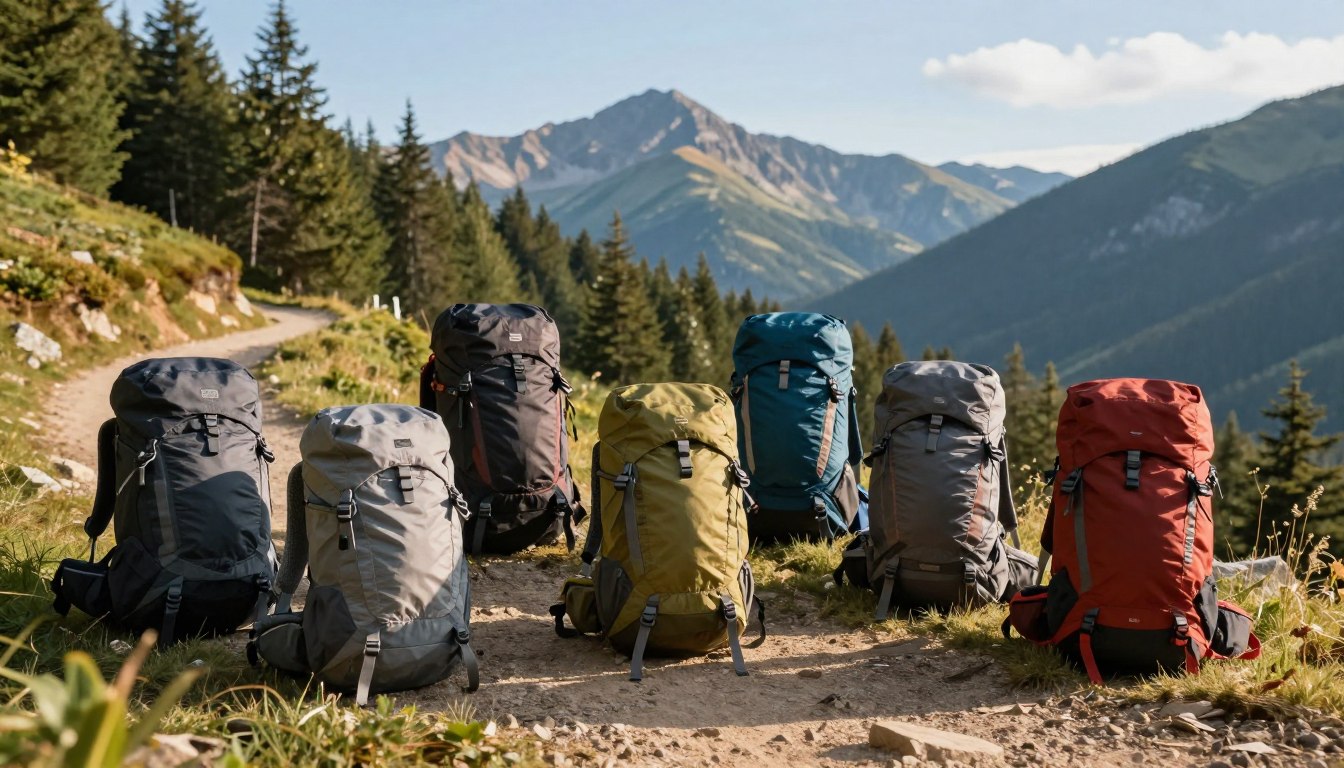
A diverse array of high-quality backpacking packs displayed prominently in a natural outdoor setting. In the foreground, the packs vary in size, color, and material, showcasing features like adjustable straps, padded backs, and multiple compartments. The middle ground features a rugged trail winding through a lush forest, while a backdrop of majestic mountains rises under a clear blue sky, illuminated by soft, warm sunlight, creating a welcoming and adventurous atmosphere. The scene captures the essence of comfort and fit, ideal for backpackers seeking the perfect pack. Use a wide-angle lens to emphasize the landscape, with a shallow depth of field to keep the focus on the packs while maintaining an inviting, serene ambiance.
By adjusting these elements carefully, you can greatly improve your backpacking experience. Remember, the details are what make comfort possible.
Material Construction and Durability Considerations
The material of your backpack can greatly affect your backpacking trip. A durable pack is key for handling different weather and keeping you going all trip long.
Choosing the right material is important for pack durability. Ripstop nylon and polyester are common picks. Let's look at what makes each one good.
Ripstop Nylon vs. Polyester Fabrics
Ripstop nylon is a top pick for backpacks. It's strong yet light and resists tears well. The special weave stops tears from getting bigger.
Polyester is tough and can handle bad weather. It's not as light as nylon but is a solid choice for backpacking.
Material | Strengths | Weaknesses |
Ripstop Nylon | Lightweight, tear-resistant | May not be as abrasion-resistant |
Polyester | Abrasion-resistant, durable | Heavier than nylon |
Denier Ratings and Weight Trade-offs
The denier rating shows how thick and strong a fabric is. A higher rating means it's more durable but also heavier.
Understanding Denier Measurements
Denier measures how fine a fiber is. A higher denier means thicker, stronger fibers. For example, 420D nylon is stronger than 210D.
Balancing Durability with Pack Weight
While higher denier ratings add durability, it's important to consider pack weight as well. Lighter packs are better for ultralight backpackers, but heavier packs might be more durable.
"The key to a successful backpacking trip is finding a balance between durability and weight. A pack that is too heavy can be a hindrance, while one that is too light may not withstand the rigors of the trail."
Weather-Resistant Coatings and Treatments
Weather-resistant coatings and treatments can also make a pack more durable.
DWR Coatings Explained
DWR (Durable Water Repellent) coatings make fabrics water-resistant. They keep your gear dry in rainy conditions.
Silicone and PU Coating Options
Silicone and PU coatings add extra weather protection. Silicone is flexible and water-resistant, while PU is more durable and abrasion-resistant.
Knowing about backpacking pack materials and durability helps you choose the right one for your next adventure.
Choosing Affordable Backpacking Packs Without Compromising Quality
Finding the right backpacking pack can be tough. It's important to find one that's affordable yet high-quality. This guide will help you choose a pack that fits your budget and meets your needs.
Best Value Options Under $150
Packs under $150 are great for those on a budget. They're perfect for casual backpackers or beginners.
- Look for packs with durable materials and comfortable suspension systems.
- Consider packs with multiple compartments for organization.
- Check for weather-resistant coatings or treatments.
Mid-Range Packs: $150-$300
Packs in the $150-$300 range offer better quality and features. They're ideal for regular backpackers who need more durability and comfort.
Key Features to Expect:
- Advanced suspension systems for better load distribution.
- High-quality, weather-resistant materials.
- Improved ventilation and comfort features.
Premium Investment: When to Spend More
For serious backpackers, spending more on a premium pack (above $300) is worth it. These packs have advanced technologies and high-grade materials.
Advanced Materials and Technologies
Premium packs use cutting-edge materials and designs. They offer better performance and durability. Look for advanced ripstop nylon, integrated rain covers, and sophisticated suspension systems.
Warranty and Long-Term Value
A longer warranty shows a pack's quality and the manufacturer's confidence. Think about the long-term value when deciding on the cost.
Here's a comparison of packs across different price ranges:
Price Range | Key Features | Best For |
Under $150 | Basic features, durable materials | Casual backpackers, beginners |
$150-$300 | Advanced suspension, weather resistance | Regular backpackers |
Above $300 | Advanced materials, technologies, warranty | Serious, frequent backpackers |
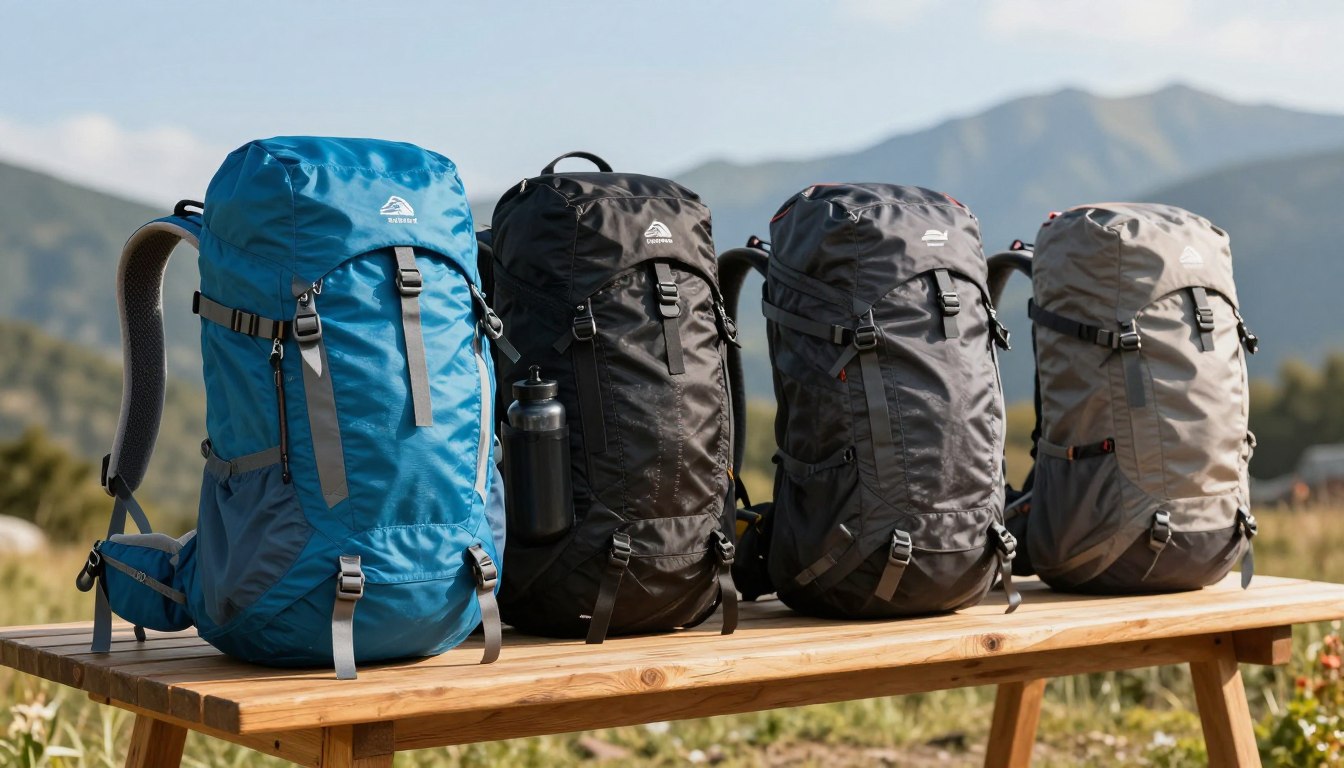
A collection of affordable backpacking packs displayed on a wooden table in a sunlit outdoor setting. In the foreground, a vibrant blue pack with adjustable straps and multiple compartments is prominently featured, next to a sleek black pack with a water bottle holder. In the middle, several other packs in various colors and styles are neatly arranged, showcasing diverse features such as reinforced stitching and padded backs. The background presents a blurred image of a serene mountain landscape under a clear blue sky, enhancing the adventurous spirit of backpacking. The lighting is warm and inviting, creating a sense of optimism and quality. The overall mood is one of exploration and practicality, emphasizing the accessibility of quality backpacking gear.
Conclusion
Choosing the right backpacking pack is key for a great trip. We've talked about what matters most: capacity, features, fit, material, and budget. These factors help you pick the perfect pack.
The right pack size is crucial. It should fit your needs, whether you're going for a weekend or a longer trip. Look for packs with adjustable systems and good load distribution.
Finding a pack that fits right is important. Consider your torso length, hip belt size, and shoulder strap adjustments. Also, the pack's material and durability are vital. High-quality materials like ripstop nylon or polyester are best.
In the end, the best pack is one that's both good quality and affordable. By choosing wisely, you'll be ready for your next adventure.
FAQ
How do we determine the right capacity for our specific trip length?
Choosing the right volume is key for comfort on the trail. For a quick weekend trip, a 30-50 liter backpacking pack is best. For longer trips (3 to 5 nights), a 50-70 liter pack like the Osprey Atmos AG 65 is ideal. For longer trips, packs with 70 liters or more are needed for extra gear.
Why is measuring our torso length more important than our overall height?
Torso length is crucial when picking the best backpacking packs. It affects where the pack's weight sits. Even if we're tall, our torso might be short. A pack that fits our torso ensures the hip belt works right, supporting our legs and hips.
Can lightweight backpacking packs still carry heavy loads comfortably?
Yes, lightweight backpacking packs can carry heavy loads. Brands like Zpacks and Hyperlite Mountain Gear use strong materials. But, for heavy loads, a pack with a frame is better.
What features should we look for in durable backpacking packs for rugged terrain?
For rough trails, we need durable backpacking packs. Look for high denier ratings in wear areas and reinforced bottoms. Mystery Ranch is known for their tough construction, using heavy-duty fabrics and strong zippers.
Are most top-rated backpacking packs completely waterproof?
Most top-rated backpacking packs are water-resistant but not fully waterproof. For heavy rain, look for waterproof backpacking packs with roll-top closures. Or, use a pack cover or waterproof liner.
Is it possible to find high-quality, affordable backpacking packs under $200?
Yes! You don't have to spend a lot to get a good pack. The REI Co-op Flash 55 and Kelty models offer great value. They have features like adjustable suspension and breathable mesh at a lower cost.
What is the benefit of a "load lifter" strap on our pack?
Load lifters adjust the pack's position on our back. They prevent the pack from leaning away, keeping our balance. This makes long climbs more comfortable by avoiding shoulder strap pressure.
Contact
Leave your information and we will contact you.
Copyright ©️ 2022, NetEase Zhuyou(and its affiliates as applicable). All Rights Reserved.
Company
Company
Collections
Collections
About
About
Follow us
Follow us
Team&Conditions
Work With Us
Featured Products
News
All products
Shop
Phone
WhatsApp
E-mail